
Whey protein isolate removes most of the lactose during filtration and is generally well tolerated by people who are lactose intolerant. Whey protein concentrate keeps much more of it, and is a common, under-recognized cause of the bloating people blame on “protein powder” in general, when the actual culprit is the lactose riding along with it.
Why the distinction exists
Both concentrate and isolate start as the same liquid whey. The difference is how much of the non-protein material — lactose, fat, minerals — gets filtered out afterward. Concentrate is filtered lightly, landing around 70–80% protein by weight and keeping most of its original lactose and fat. Isolate goes through additional filtration (commonly cross-flow microfiltration) that pushes protein content above 90% by weight, and lactose comes out along with the fat in that same process. That’s the direct mechanical reason isolate can carry a “lactose-free” or “low-lactose” claim while concentrate generally can’t.
How to tell which one you’re holding
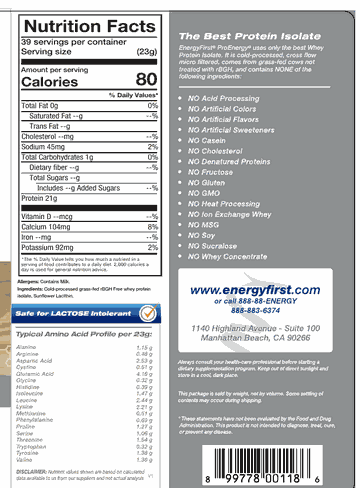
Divide the grams of protein on the label by the gram weight of a full scoop — both numbers are on the panel. Above roughly 90%, you’re almost certainly holding an isolate; well below that, especially in the 70–80% range, it’s a concentrate (or a blend where concentrate makes up most of the weight). This is the same math the site’s buyer’s guide uses to sort products, and it’s the fastest way to check a label without relying on marketing language like “isolate” and “ultra-filtered,” which brands don’t always use precisely.
What if isolate still bothers you
A small amount of lactose can remain even in a well-filtered isolate, and some people are sensitive enough that even that residual amount causes symptoms. If isolate alone doesn’t solve it, a hydrolysate — an isolate broken down further into shorter peptide chains — digests even faster and may help further, though it typically costs more and tastes more bitter. And if symptoms persist regardless of form, it’s worth considering that the reaction may not be to the whey at all — added sugar alcohols (common in some flavored products) cause similar digestive symptoms in sensitive people, which is a separate issue from lactose entirely.
This content is not medical advice; consult a healthcare professional about digestive symptoms and dietary changes, particularly if symptoms are persistent or severe.